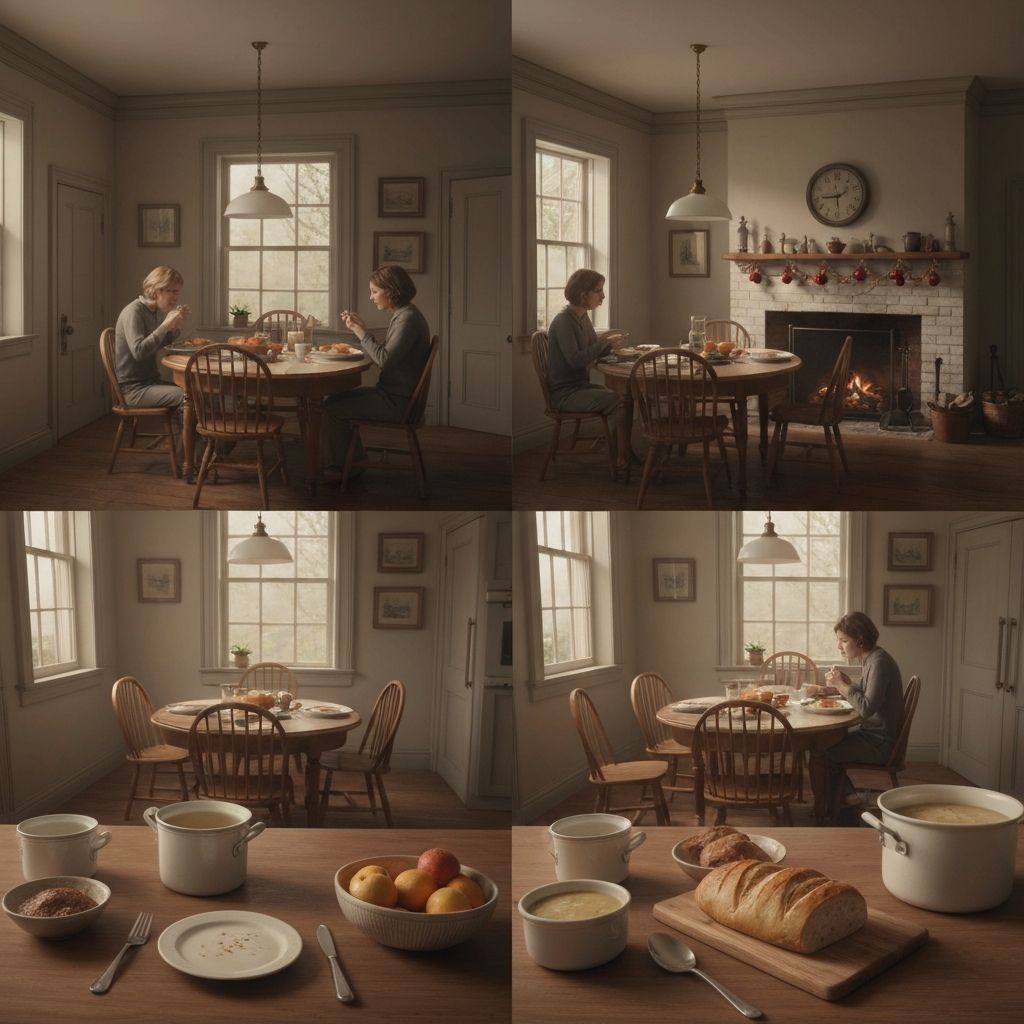
The physical environment contains multiple features influencing eating behaviors: food visibility and accessibility, kitchen organization, storage patterns, and the proximity of foods to eating locations. These environmental features function as structural cues that trigger automatic responses.
Research in behavioral science demonstrates that environmental design significantly predicts eating frequency and quantity. Foods that are visible and easily accessible are consumed more frequently than equally available foods that are hidden or less convenient. This structural influence operates independently of conscious intention or nutritional knowledge.
The arrangement of food in kitchens, the default serving size containers used, the location of foods in refrigerators or pantries—these structural features become integrated into the contextual cues triggering eating habits. When these environmental structures change, the habitual triggers may be disrupted.